Understanding the Hardwood Sanding and Finishing Process
K&
Introduction to Hardwood Sanding and Finishing
Hardwood floors are a timeless choice for homeowners, offering both durability and aesthetic appeal. However, to keep them looking their best, understanding the sanding and finishing process is crucial. This guide will walk you through the key steps and considerations involved in maintaining your hardwood floors.
The Importance of Sanding
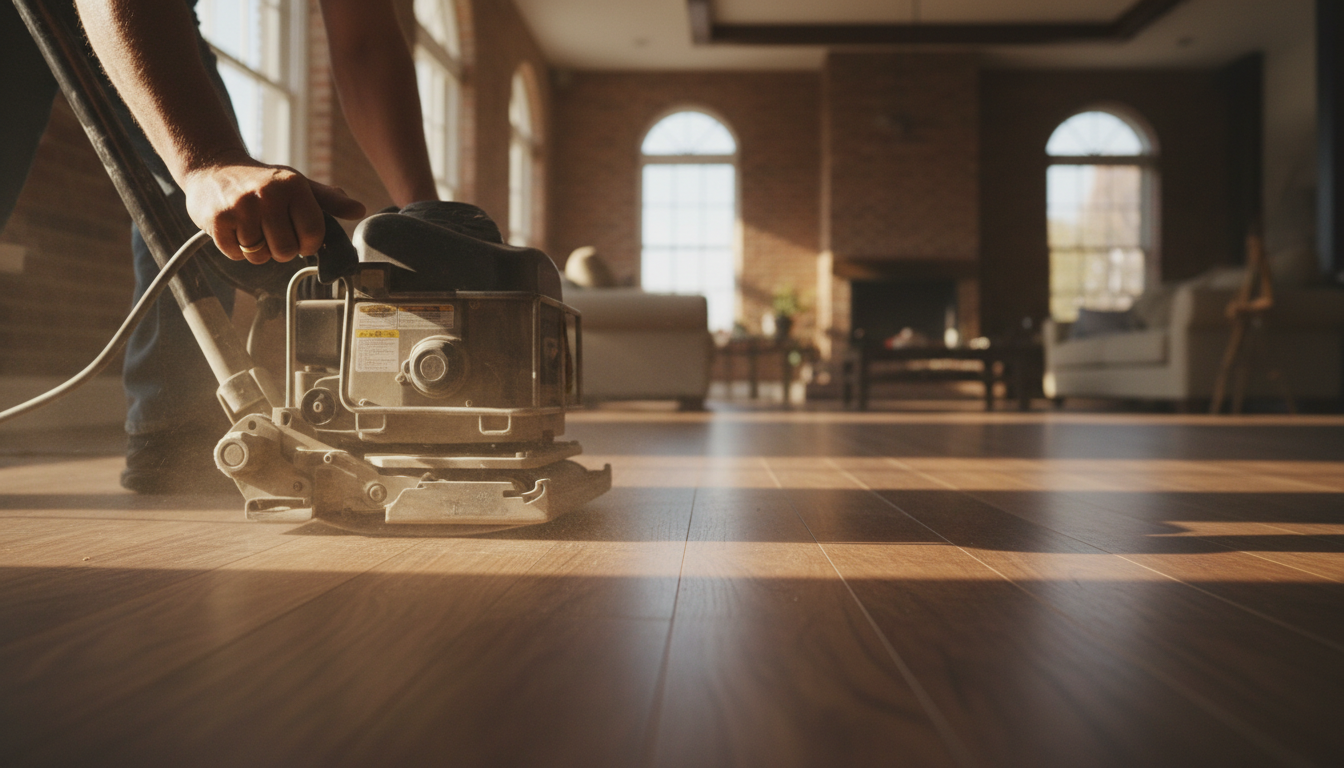
Sanding is a vital step in the hardwood floor restoration process. It removes the old finish and any surface imperfections, ensuring a smooth base for the new finish. Sanding can also help to level out any uneven boards, providing a uniform appearance.
There are different grit levels of sandpaper used during this process. The initial sanding typically begins with a coarse grit to remove the old finish and is followed by a finer grit to smooth out the surface.
Choosing the Right Equipment
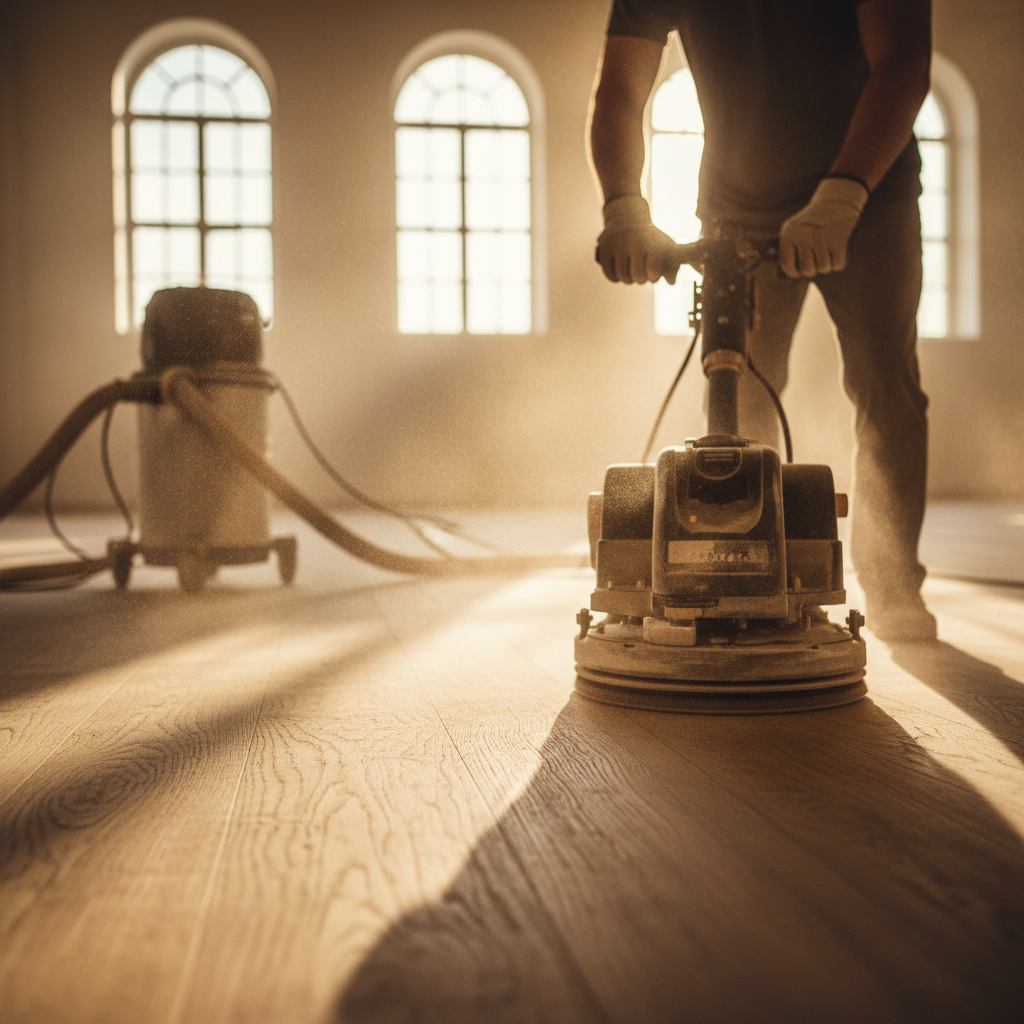
Using the right equipment is essential for effective sanding. Drum sanders and orbital sanders are commonly used tools. While drum sanders are powerful and efficient, they require skill to avoid gouging the floor. Orbital sanders, on the other hand, are more user-friendly and suitable for less experienced DIY enthusiasts.
The Finishing Touch
Once the sanding is complete, the next step is to apply a finish. This not only enhances the wood's natural beauty but also provides a protective layer against wear and tear. There are several types of finishes available, including oil-based, water-based, and polyurethane options.
Oil-based finishes are known for their durability and rich color, while water-based finishes dry quickly and emit fewer fumes. Polyurethane finishes offer excellent protection and are available in both oil and water-based forms.
Application Techniques
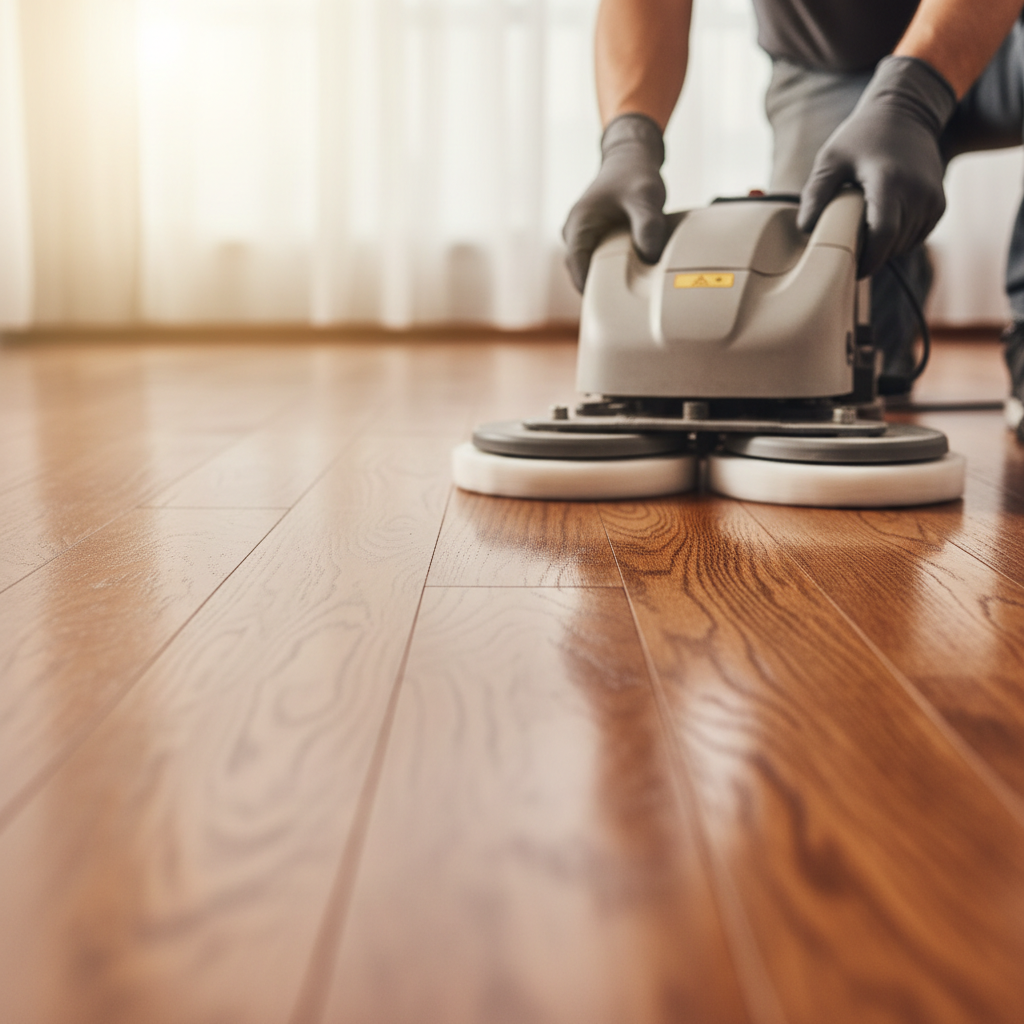
Applying the finish requires precision. It’s recommended to use a brush or roller for even application. Typically, multiple coats are applied, with light sanding between each to ensure a smooth finish. Allow adequate drying time between coats to achieve the best results.

Maintaining Your Hardwood Floors
Once your hardwood floors have been sanded and finished, maintaining them is key to preserving their beauty. Regular cleaning with a soft broom or vacuum can prevent dirt and grit from scratching the surface. Additionally, using rugs in high-traffic areas can extend the life of the finish.
It’s also important to avoid excessive moisture. Spills should be wiped up promptly, and humidifiers can be used to maintain optimal humidity levels in your home.
When to Refinish
Over time, even the best-maintained floors may show signs of wear. Look for dull spots, scratches, or areas where the finish has worn away. These are indicators that it might be time for a refinish. Depending on the traffic in your home, refinishing may be needed every 7-10 years.
Conclusion
Understanding the hardwood sanding and finishing process is essential for any homeowner looking to maintain the elegance and value of their floors. By following these steps and tips, you can ensure your hardwood floors remain a stunning feature of your home for years to come.